Recap of Werner Vogels Keynote at re:Invent 2023
A practical recap of the Frugal Architect laws and the keynote lessons on cost-aware, sustainable, and resilient system design.
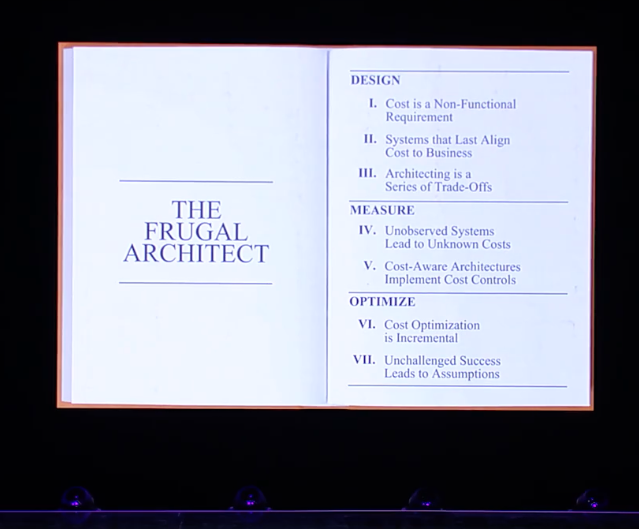
Frugal architecture checklist
const designChecks = {
  costAsNfr: true,
  alignCostToBusiness: true,
  explicitTradeoffs: ['cost', 'resilience', 'performance'],
  meterPerRequest: true,
  tieredCostControls: true,
  optimizeContinuously: true,
  challengeAssumptions: true
};
A compact way to encode the keynote's recurring architectural principles.
Original publication
This post is adapted from the AWS Builder Center article: Recap of Werner Vogels Keynote at re:Invent 2023
Why this keynote matters
The keynote reframed cost from a procurement concern into an architecture concern. The core message was clear: if cost is treated late, systems accumulate technical and financial debt at the same time.
The Frugal Architect lens
The talk organized decisions around seven laws grouped into three motions: design, measure, and optimize.
Design
- Make cost a first-class non-functional requirement.
- Align cost behavior to business outcomes.
- Accept architecture as a sequence of trade-offs.
Measure
- Unobserved systems create unknown costs.
- Cost-aware systems need active control loops, not good intentions.
Optimize
- Cost optimization is continuous and incremental.
- Success must be challenged regularly to avoid stale assumptions.
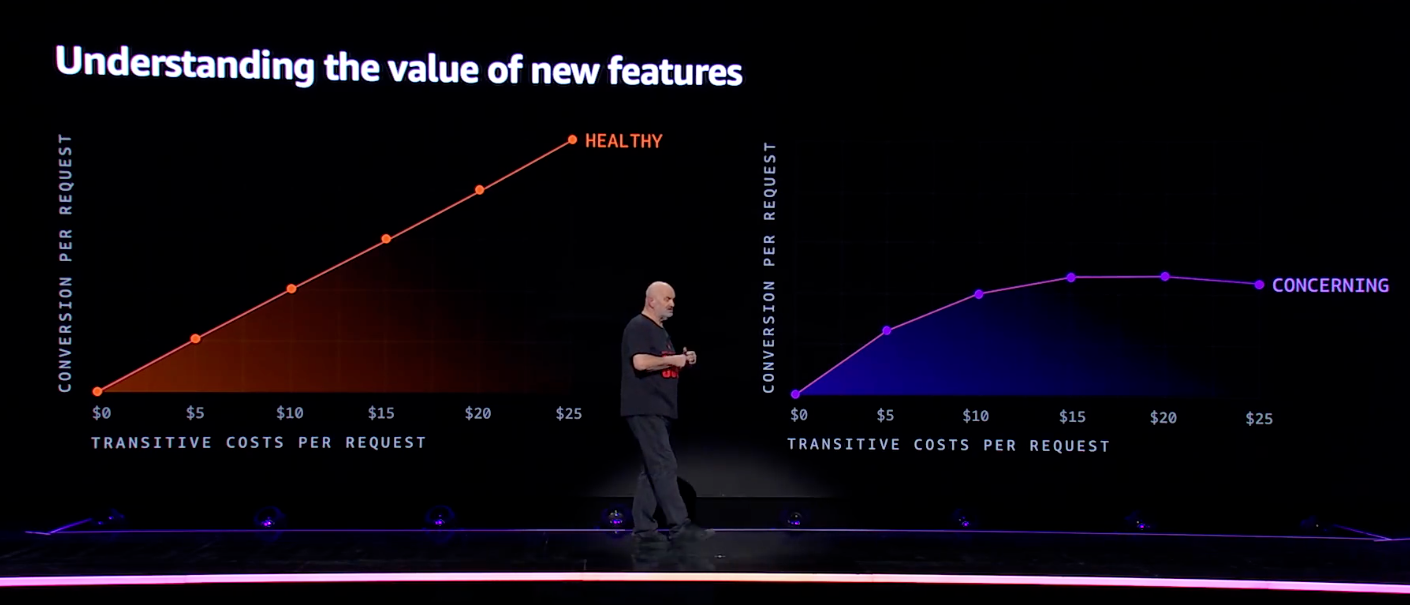
Practical implications for builders
- Define service-level and cost-level objectives together.
- Instrument cost per request path, not only monthly totals.
- Build tunable controls for optional features, log volume, and prefetch behavior.
- Revisit assumptions as load, product scope, and customer behavior evolve.
Examples highlighted in the keynote recap
- PBS: major streaming cost reduction after architecture changes.
- WeTransfer: cost and sustainability gains through resource efficiency.
- MicroVM and serverless platform improvements as a path to better utilization.
These examples reinforce a recurring pattern: architecture quality improves when efficiency is designed, measured, and iterated deliberately.
My takeaway
The strongest signal from the keynote is that frugality is not austerity. It is disciplined value engineering: spending where it improves outcomes, and reducing waste where it does not.
Read more
For the full walkthrough, supporting examples, and extended resource links, read the original post:
Read the full recap on AWS Builder Center
Related posts

What I Learned from AWS Cloud Quest: Recertify Cloud Practitioner
Eight practical infrastructure lessons from AWS Cloud Quest, covering reliability, scaling, networking, databases, and cost-aware operations.
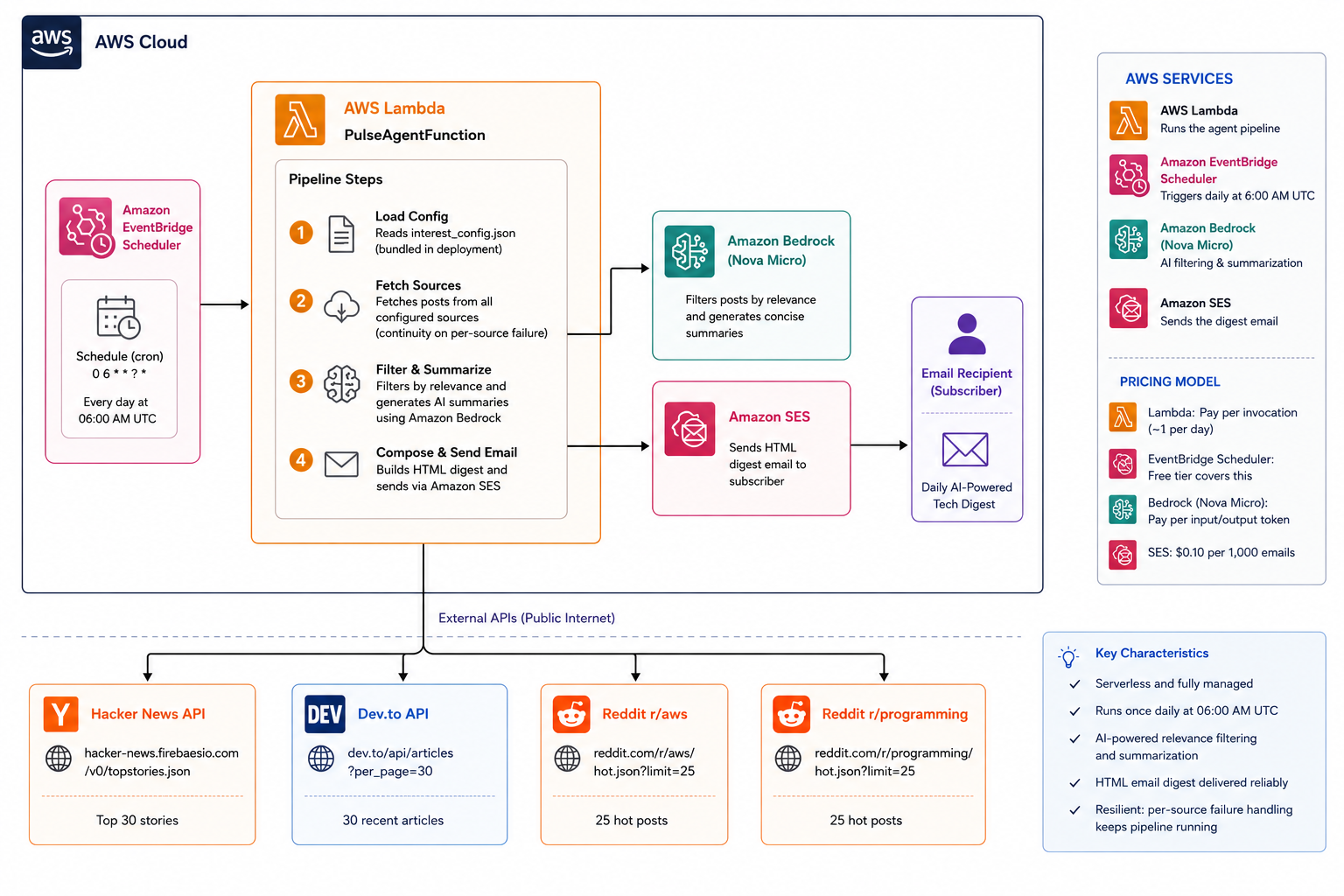
Weekend Agent Challenge: Dev Community Pulse Agent
A weekend-built serverless AI agent that wake up at 6 AM, scans developer communities/news/posts, filters what matters with Amazon Bedrock, and delivers a curated digest by email.
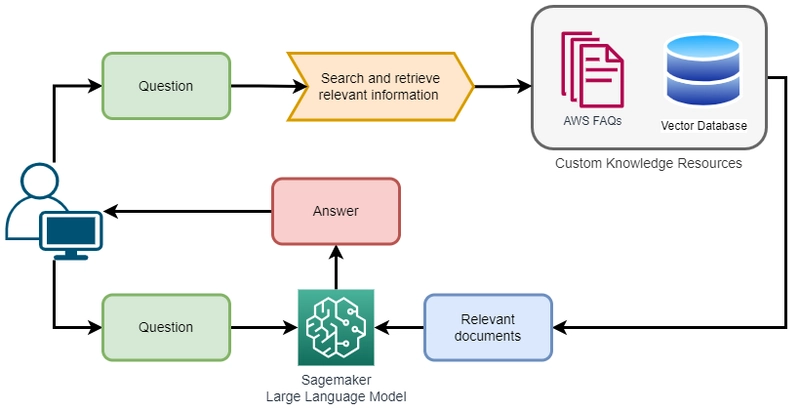
When Generative AI Meets AWS Community Builders: AWS Cost Advisor
An adapted deep dive into an AI hackathon project that combines RAG, AWS SageMaker, LangChain, and FAISS to improve cloud cost optimization guidance.