What I Learned from AWS Cloud Quest: Recertify Cloud Practitioner
Eight practical infrastructure lessons from AWS Cloud Quest, covering reliability, scaling, networking, databases, and cost-aware operations.

Cloud quest architecture checklist
lessons:
  - s3_static_hosting_and_access_controls
  - multi_az_resilience_with_load_balancing
  - vertical_vs_horizontal_scaling_tradeoffs
  - vpc_subnets_routes_security_layers
  - rds_replicas_multi_az_backups
  - private_connectivity_with_vpc_peering
  - dynamodb_indexes_for_scale
  - autoscaling_for_cost_and_performance
A compact checklist of the recurring design themes from the recertify path.
Original publication
This post is adapted from the original DEV Community article: What I Learned from AWS Cloud Quest: Recertify Cloud Practitioner
Why this learning path stands out
The recertify path is useful because it turns abstract cloud concepts into scenario-based decisions. Instead of memorizing definitions, you repeatedly choose between reliability, cost, performance, and security trade-offs.
Key lessons from the journey
1. S3 is often the cleanest start for static delivery
Static website hosting with S3 demonstrates how quickly you can move from local-hosting constraints to durable managed delivery, while still applying controlled access patterns.
2. Multi-AZ design is a reliability baseline
Distributing workloads across Availability Zones with load balancing and failover shifts architecture from single-point fragility to continuity-focused design.
3. Scaling requires context, not slogans
Vertical scaling can solve immediate pressure fast. Horizontal scaling adds long-term elasticity and fault tolerance. The right choice depends on growth profile and failure tolerance.
4. Networking is where security posture becomes real
VPC boundaries, subnets, route paths, and traffic controls are not just configuration steps. They define trust boundaries and blast radius.
5. Data resilience must be explicit
RDS read replicas, Multi-AZ deployments, and scheduled backups reinforce an important rule: durability strategy must be deliberate, not implied.
6. Private connectivity patterns matter
VPC peering is a practical way to connect isolated environments without exposing traffic publicly, but it still requires careful routing and security-group planning.
7. NoSQL can simplify high-throughput use cases
DynamoDB highlights a different data model mindset: design around access patterns, indexes, and predictable low-latency at scale.
8. Auto scaling is operational cost discipline
Dynamic capacity policies align infrastructure spend with actual demand, improving both efficiency and service responsiveness.
Broader takeaway
The strongest value from Cloud Quest is not only recertification. It is developing an architecture mindset that balances reliability, scalability, and cost as connected decisions.
Read more
For the full story and original challenge examples, read the source article:
Read the full Cloud Quest recap on DEV
Related posts
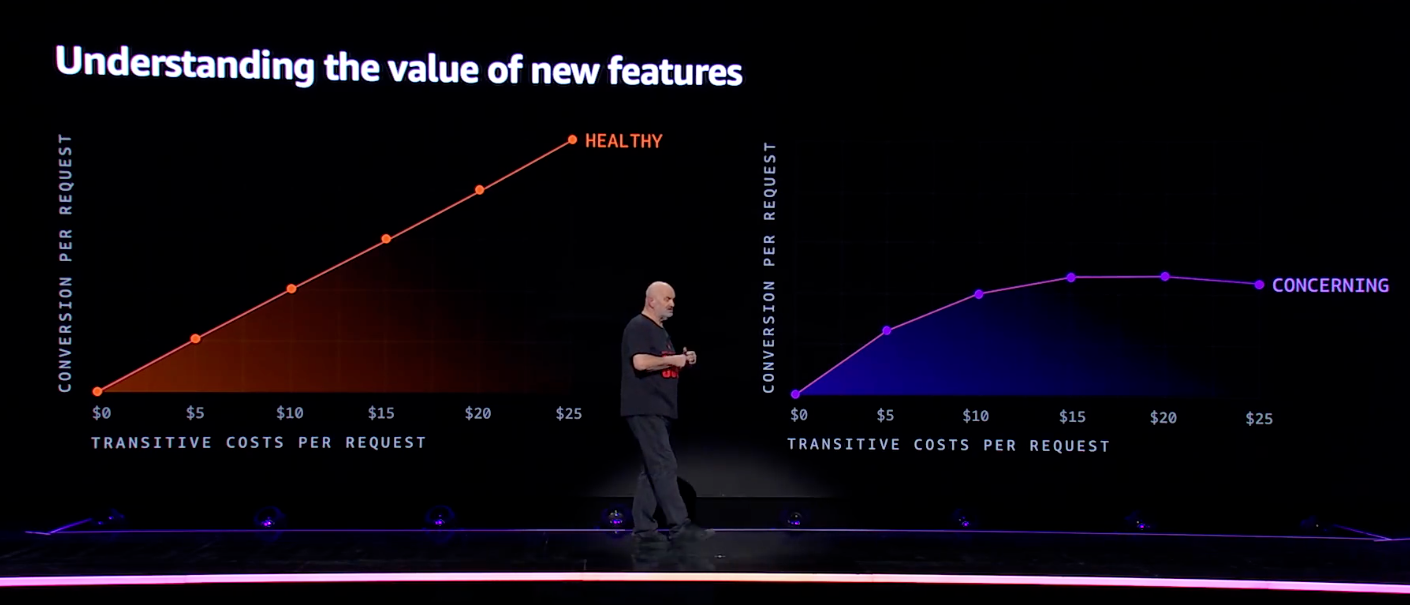
Recap of Werner Vogels Keynote at re:Invent 2023
A practical recap of the Frugal Architect laws and the keynote lessons on cost-aware, sustainable, and resilient system design.
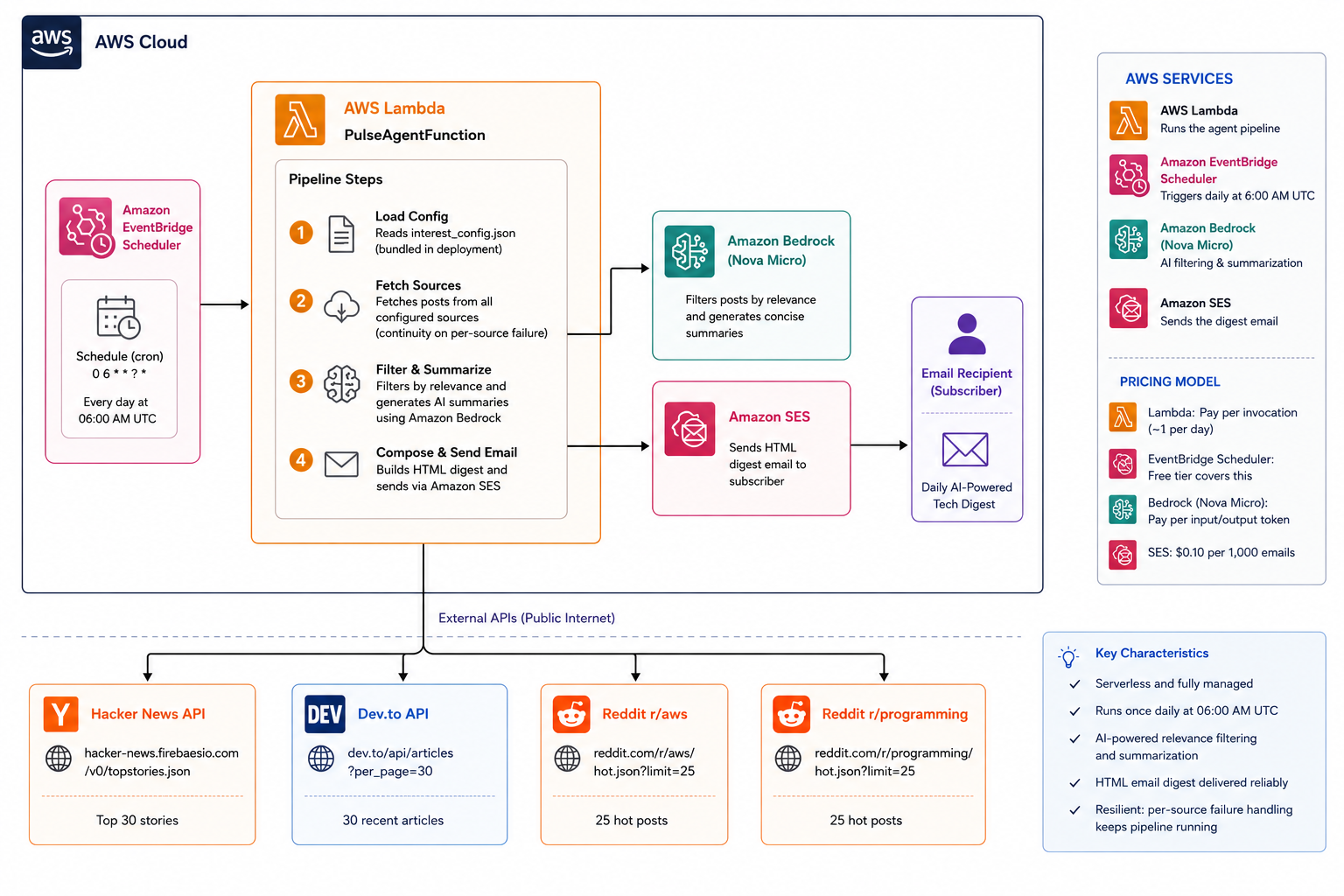
Weekend Agent Challenge: Dev Community Pulse Agent
A weekend-built serverless AI agent that wake up at 6 AM, scans developer communities/news/posts, filters what matters with Amazon Bedrock, and delivers a curated digest by email.
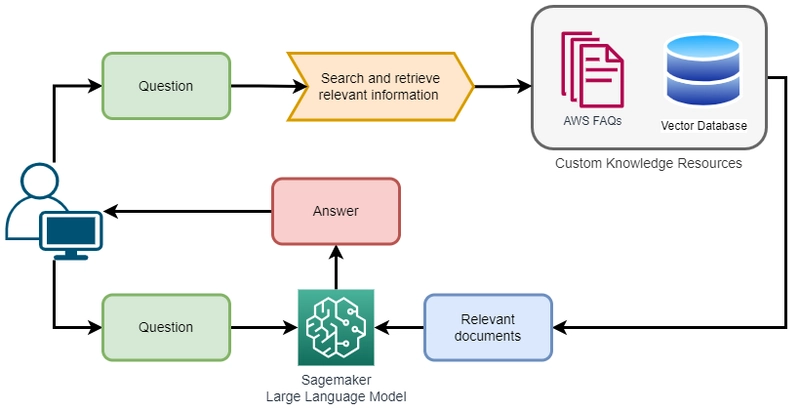
When Generative AI Meets AWS Community Builders: AWS Cost Advisor
An adapted deep dive into an AI hackathon project that combines RAG, AWS SageMaker, LangChain, and FAISS to improve cloud cost optimization guidance.